Paris has 20 arrondissements, each with its own landmarks, neighborhoods, and character. Understanding their layout helps you choose a hotel, group nearby visits, and plan transportation without unnecessary trips across the city.
How Paris Arrondissements Work
The arrondissements are numbered from 1 to 20 in a spiral extending outward from the historic center. Postal codes generally run from 75001 to 75020, making the last two digits a useful clue when looking up an address.
Right Bank and Left Bank
The Right Bank lies broadly north of the Seine and includes the Louvre, Place Vendôme, the Champs-Élysées, and Montmartre. Sacré-Cœur is in Montmartre, in the 18th arrondissement.
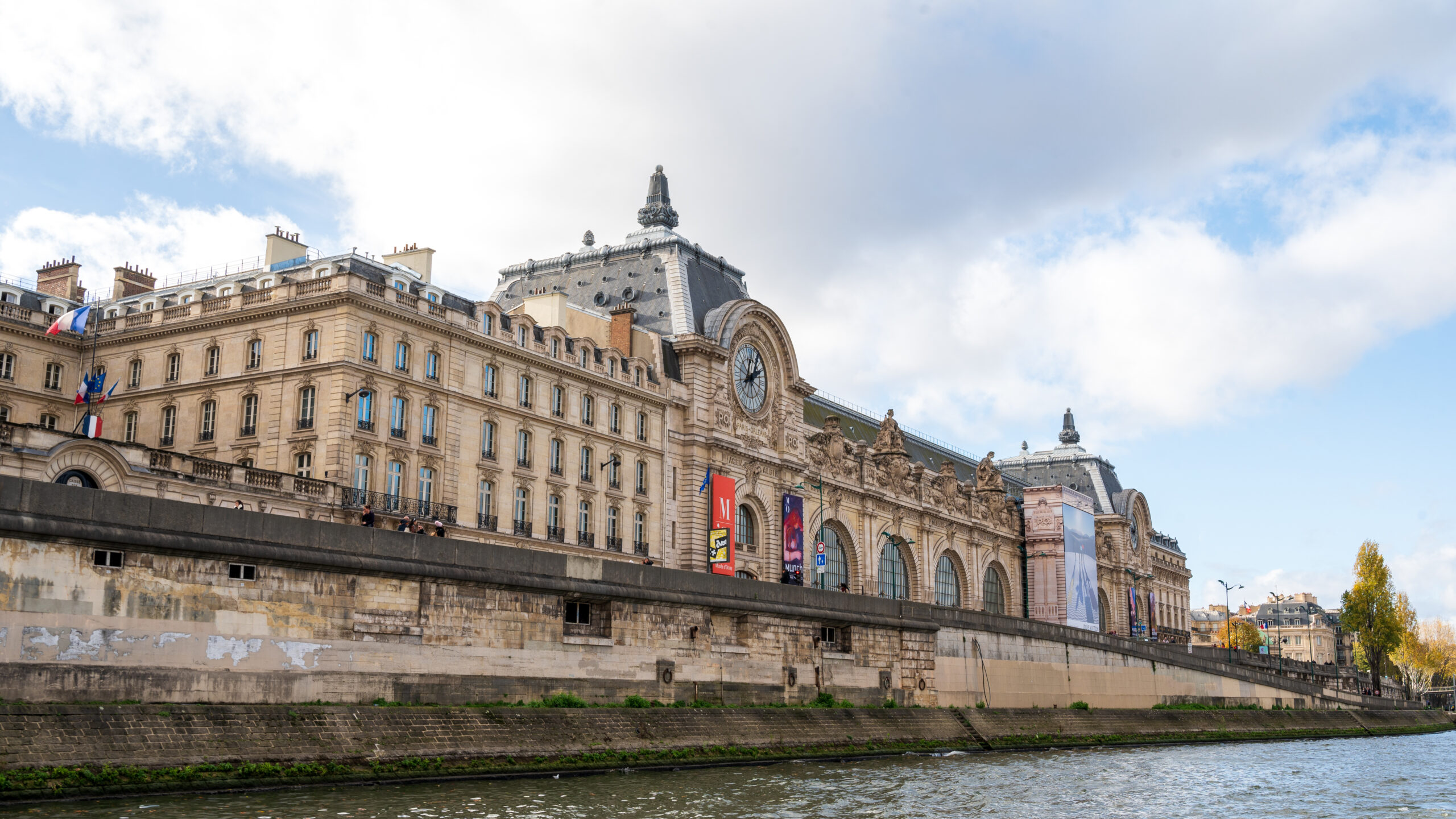
The Left Bank lies broadly south of the Seine. It includes the Latin Quarter, Saint-Germain-des-Prés, the Musée d’Orsay, Les Invalides, and the Eiffel Tower. Notre-Dame stands on Île de la Cité, between the banks.
The Historic Center
The 1st, 2nd, 3rd, and 4th arrondissements are useful starting points for discovering historic Paris. The Louvre, Palais Royal, and Tuileries Garden are in the 1st; the Marais extends across the 3rd and 4th. Notre-Dame is in the 4th, while Sainte-Chapelle is in the 1st, on the same island.
Plan walking time between attractions and reserve timed admission when required. Being in the same arrondissement does not mean that two places are immediately next to each other.

Neighborhoods Beyond the Center
- 7th: Eiffel Tower, Musée d’Orsay, and Les Invalides.
- 8th: Champs-Élysées, Place de la Concorde, and the Arc de Triomphe area.
- 11th: restaurants, cafés, and evening outings.
- 12th: Bois de Vincennes, the Coulée verte René-Dumont, and neighborhood markets.
- 13th: Asian restaurants, street art, and contemporary districts.
- 16th: museums, broad avenues, and residential neighborhoods.
- 18th: Montmartre, Sacré-Cœur, and Place du Tertre.
- 19th: Parc de la Villette, the Cité des sciences, and Canal de l’Ourcq.
- 20th: parts of Belleville and Ménilmontant, neighborhood life, and street art.
Outer arrondissements offer much more than residential streets. They can add parks, cultural venues, and local markets to a stay centered on the best-known monuments. Neighborhood boundaries do not always follow arrondissement boundaries.
Use a Map to Plan Your Day
A map helps you locate attractions, compare distances, and identify nearby Métro stations. Group visits by area, then check walking routes, opening hours, and any ticketed time slots. Leave room for a meal or a break instead of filling every hour.
For example, combine the Louvre area with Palais Royal and the Tuileries, or dedicate time to Montmartre and Sacré-Cœur. For a Left Bank day, choose a realistic combination of museums and neighborhood walks.
A private chauffeur can organize journeys between more distant stops or collect you from your hotel. Road travel times depend on traffic, and some streets require drop-off at an authorized point followed by a short walk.

Where to Find Paris Maps
Visit Paris je t’aime, the Paris tourist office, for visitor resources. Its nearby places map can help you locate attractions and services. Choose a printed map or download relevant information before leaving if you want an offline reference.
For transportation, use a current journey planner as well as a street map. A map shows where places are; it does not necessarily show real-time disruptions, access restrictions, or the most suitable route with luggage.
Frequently Asked Questions
Which arrondissement should I choose for a first visit?
Choose according to your priorities, hotel budget, and planned visits. Central districts can be convenient for the Louvre, the Marais, and the islands; other areas may suit a stay focused on the Eiffel Tower or Montmartre.
Can I spend a whole day in one arrondissement?
Yes. A museum visit, a neighborhood walk, and a meal can easily fill a day. Grouping nearby activities reduces transportation time.
Do arrondissement maps show every attraction?
No. The detail varies by map. Use a visitor map for landmarks and a street or transit map for practical routes, then verify each attraction’s address.
Are quieter neighborhoods always outside the center?
No. The atmosphere varies by street, time, and local events. Select individual places rather than assuming that an entire arrondissement is quiet or crowded.
Can a chauffeur help with several stops?
Yes. Request Dedicated Chauffeur Service and share your stops, timing, passenger count, and luggage. The itinerary and included waiting time should be agreed in advance.
Arrange Your Paris Transportation
Explore our Paris private chauffeur guide or request a quote. We are available 24/7 by reservation.
Phone: +33 1 89 86 40 14. Mobile / SMS: +33 6 30 73 24 79.